
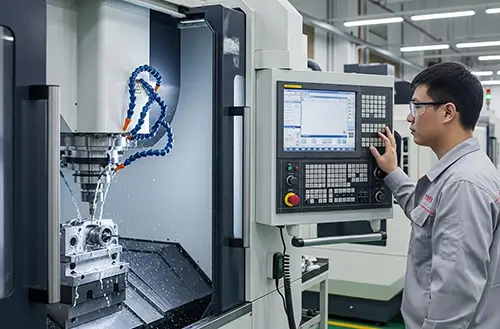
Brass CNC Machining Service
Brass is one of the most satisfying materials to machine. It cuts clean, leaves a beautiful finish, and holds tight tolerances with minimal tool wear. If your part needs corrosion resistance, electrical conductivity, or a classic look, brass is a solid choice.
We machine all common brass alloys—C360, C464, C260—and offer plating, polishing, and other finishing options.
Why Brass for Custom CNC Machined Parts?
Good electrical conductivity
Great for connectors, terminals, and RF components
Corrosion resistant
Handles moisture and many chemicals without rusting
Excellent machinability
C360 brass is the benchmark for free‑machining materials – cuts fast, good finish
Recyclable
Environmentally friendly
Non‑sparking
Safe for use in explosive environments (oil & gas, chemical plants)
Antimicrobial properties
Naturally resists bacterial growth – used in door hardware and medical settings
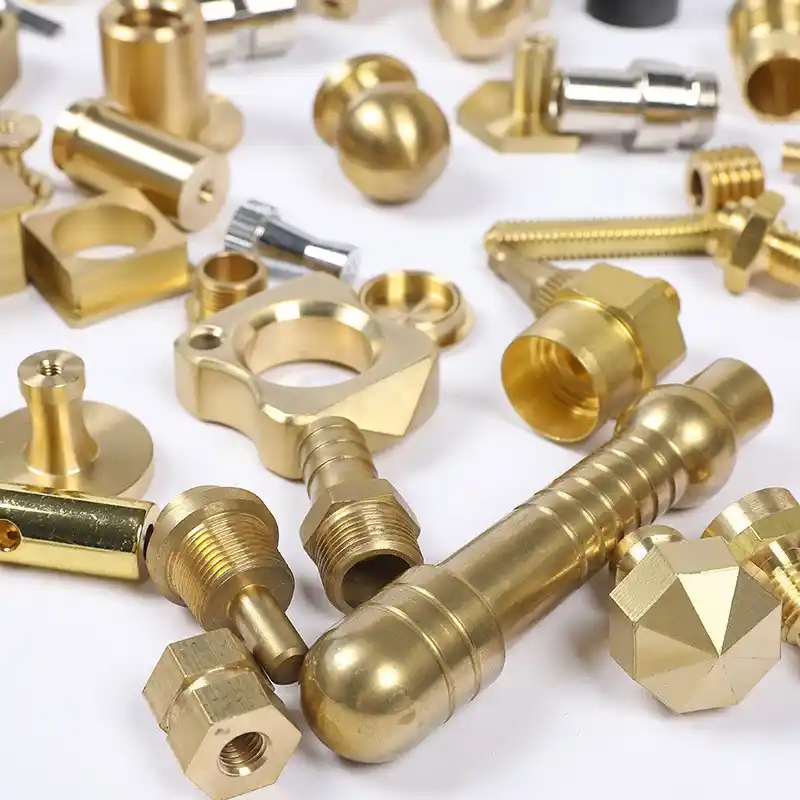
Common Brass Alloys We Machine
We offer a wide range of material options for your brass CNC machining parts.
| Alloy | Key Properties | Applications |
|---|---|---|
| C360 | Free‑machining, excellent chip breaking, great finish | Fittings, valves, gears, bushings, screw machine parts |
| C260 | High ductility, good cold working | radiator cores, decorative hardware |
Not sure which alloy you need? Tell us your application, and we’ll recommend the right one.
Surface Finishing for CNC Brass Parts
Brass can be used as‑machined, but it tarnishes over time. We offer several finishes to protect and enhance it:
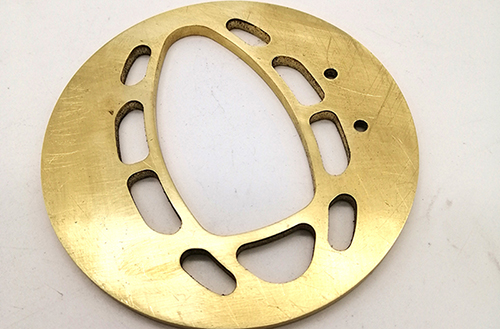
As machined
Clean, deburred, natural brass color – will tarnish
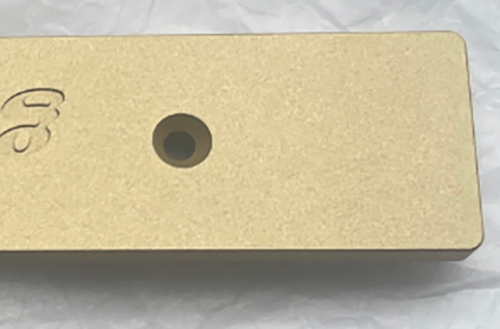
Bead blast
Uniform matte finish, hides minor marks
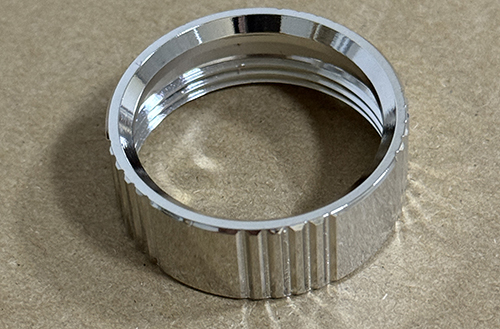
Plating (nickel, chrome)
Adds durability, changes appearance to silver/chrome
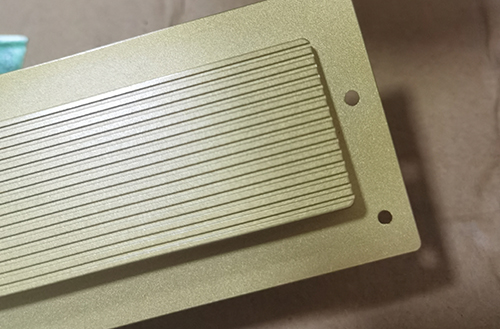
Clear coat (lacquer)
Seals the surface, prevents tarnish
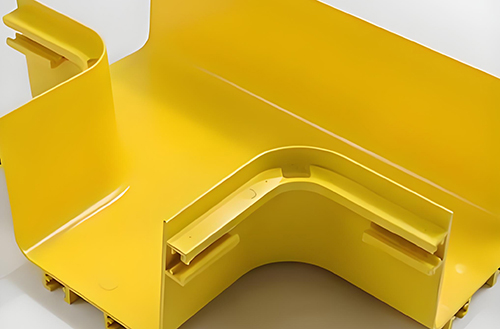
Powder coating
Durable colors, any RAL
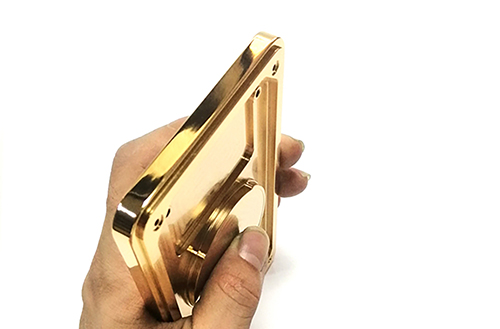
Mechanical polish
Satin to mirror finish – brings out the warm gold tone
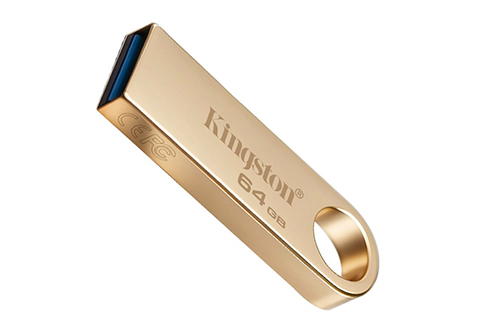
Laser marking
Logos, serial numbers, 2D codes
If the part will be handled or exposed to air, we recommend clear coating to prevent tarnish.
Design Tips for Brass CNC Machining
Take advantage of C360: If you don’t need high strength, specify C360. It machines faster and cheaper than other brasses.
Avoid sharp corners: Like any material, radiused corners are easier to machine.
Threads are easy in brass: Tapping works well—no need to thread mill unless you have non‑standard sizes.
Watch for burrs: Brass is ductile and can form fine burrs. We deburr all parts, but specify “no burrs” if it’s critical.
Consider tarnish: If appearance matters long‑term, plan for clear coating or plating.
Typical Applications for CNC Machined Brass
Plumbing & hydraulics: Valves, fittings, hose connectors, pipe nipples
Electrical: Terminals, connectors, switch components, bus bars
Marine: Hardware, through‑hull fittings, propeller shaft components
Architectural: Door hardware, hinges, railings, decorative trim
Automotive: Sensors, fittings, fluid handling components
Musical instruments: Trumpet valves, clarinet keys, guitar hardware
Why Engineers Pick Us for Brass Work
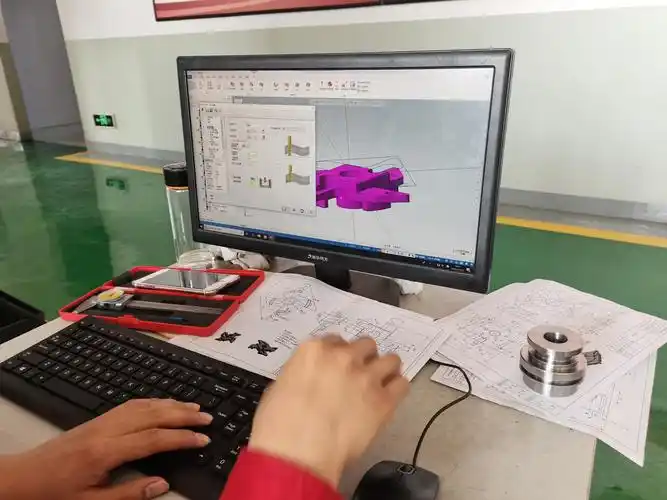
We know brass. We’ve run it on Swiss lathes, turning centers, and mills. We know when to use carbide vs. HSS, when to increase feed, and when to add a deburring pass.
Free DFM feedback: We review your design and suggest ways to save cost or improve function.
Fast turnaround: Most brass parts ship in 7 business days; rush available.
Flexible quantities: From one prototype to 10,000+ pieces – no MOQ hassles.
Full inspection: Dimensional reports, material certs, photos – we document what we ship.
Brass CNC Machining FAQs
Is brass difficult to machine?
No – C360 brass is one of the easiest materials to machine. It cuts clean, produces small chips, and holds tolerances well. That’s why it’s a favorite for high‑volume screw machine work.
What's the difference between C360 and C464?
C360 is free‑machining – chips break easily, excellent surface finish. C464 (naval brass) has better corrosion resistance in saltwater and marine environments. Use C360 for general parts, C464 for marine applications.
Does brass rust?
No – brass doesn’t rust like steel. It can tarnish and darken over time when exposed to air and moisture. Clear coating or plating prevents tarnish.
Can you polish brass to a mirror finish?
Yes – we offer mechanical polishing up to a mirror finish. It’s labor‑intensive, so cost depends on part size and geometry.
Do you provide material certifications?
Yes – we provide mill test reports (MTRs) from our suppliers. Just specify “MTR required” on your drawing or purchase order.
Do you provide material certifications?
Yes – we provide material test reports (MTRs) from our suppliers. Just specify “MTR required” on your drawing or purchase order.
Does brass contain lead?
Yes, most free‑machining brasses (C360, C385) contain lead for machinability. If lead is a concern (e.g., for potable water or medical applications), we can use lead‑free alternatives like C464 (naval brass) or C260. Tell us your requirement.
Can you machine brass on Swiss lathes?
Yes – C360 brass is ideal for Swiss machining. We can produce small, complex parts with high precision.
Ready to Make Something in Brass?
Upload your drawing. We’ll review it, suggest the best alloy and process, and send you a quote – usually within hours.