
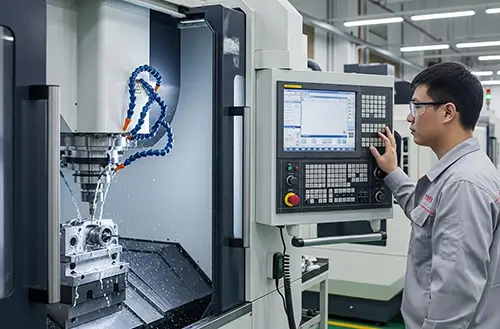
Stainless Steel CNC Machining Service
Stainless steel is the go‑to when you need strength, corrosion resistance, and a clean finish that lasts. It machines differently than other metals—it work‑hardens, it’s tough on tools, but when done right, it delivers parts that perform for decades.
We machine 304, 316L, 17‑4PH, and other stainless grades every week. Our feeds, speeds, and tooling strategies are dialed in to keep the process consistent and the quality high.
Tolerances & Sizes – What’s Realistic
| Process | Typical Tolerance | Max Size |
|---|---|---|
| CNC Turning | ±0.02 mm | Ø300 x 500 mm |
| 3‑Axis Milling | ±0.02 mm | 800 x 500 x 500 mm |
| 5‑Axis Milling | ±0.01 mm | 735 x 650 x 560 mm |
Wall thickness: 1.2 mm minimum for general machining; 0.8 mm possible with careful fixturing.
Surface finish as machined: Ra 1.6–3.2 µm – can be improved with finishing passes or electropolishing.
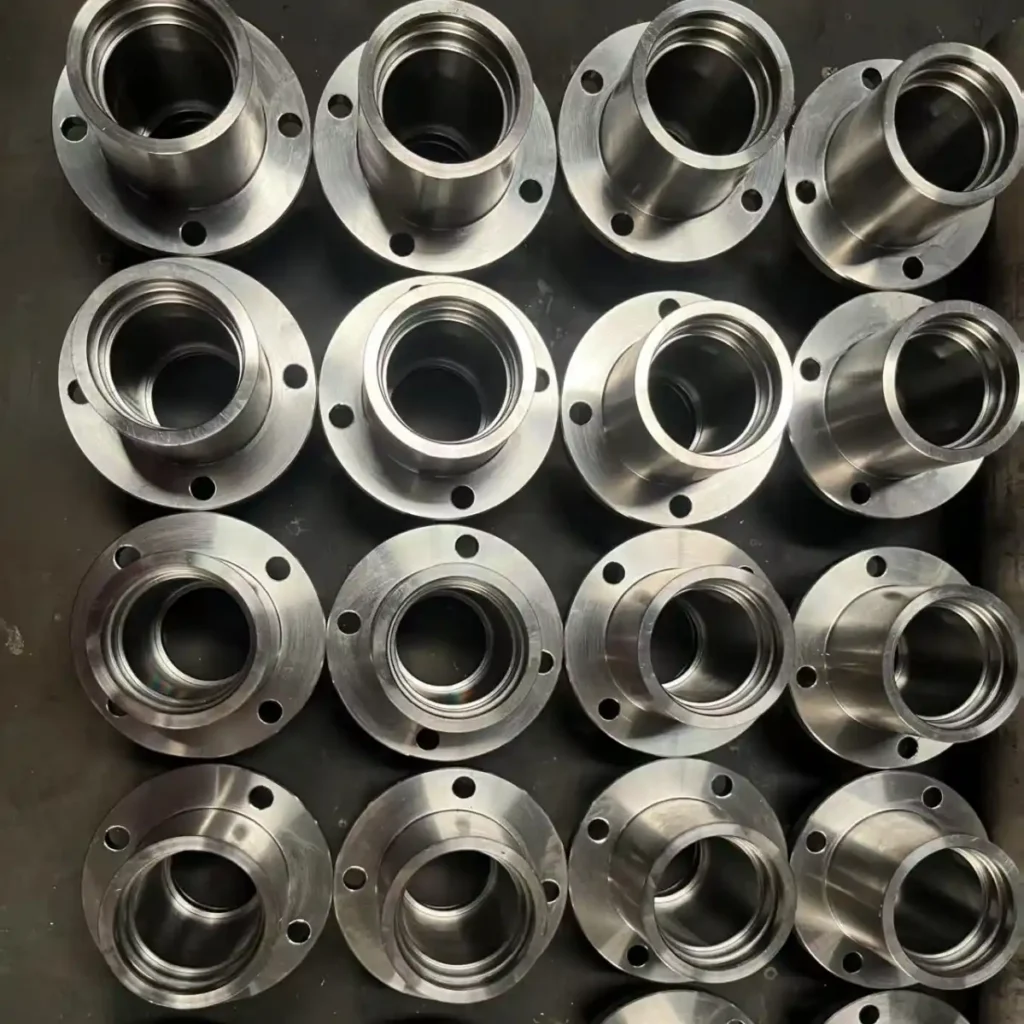
Common Stainless Alloys We Machine
We offer a wide range of material options for your Stainless Steel CNC machining parts.
| Alloy | Key Properties | Applications |
|---|---|---|
| 304 | General purpose, good corrosion resistance, weldable | Food equipment, architectural, structural |
| 316L | Molybdenum added, excellent corrosion resistance | Marine, chemical processing, medical |
| 17‑4PH | Heat treatable, high strength (1100–1300 MPa) | Aerospace, oil & gas, high‑load components |
| 440C | High hardness, wear resistant | Bearings, valve seats, cutting tools |
Default is 304 unless you specify otherwise. If your part will be in saltwater or chemicals, we recommend 316L.
Surface Finishes for Stainless Steel
Stainless doesn’t need coating to resist rust, but finishing improves appearance, cleanliness, and performance.
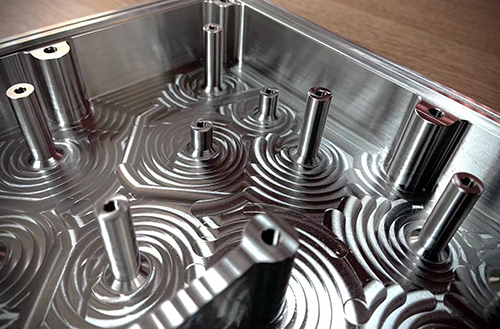
As machined
Clean, visible tool marks
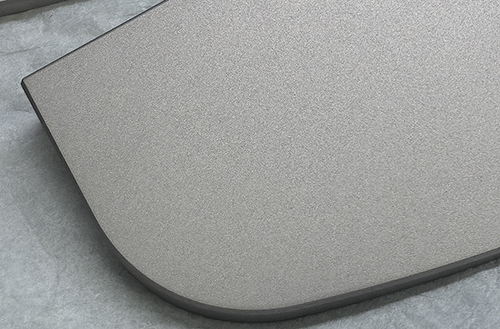
Bead blast
Uniform matte finish, hides minor marks
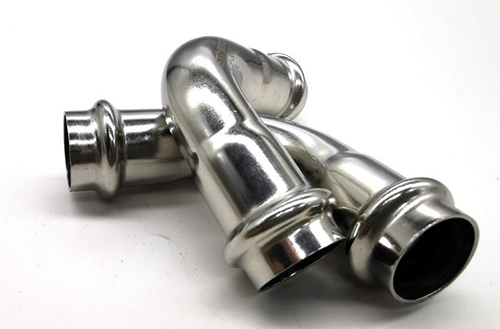
Passivation
Removes free iron, maximizes corrosion resistance
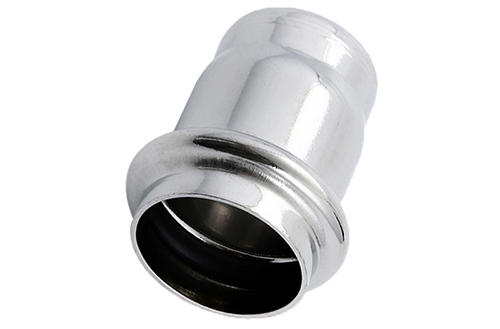
Electropolish
Smooth, bright, burr‑free surface (Ra down to 0.1 µm)
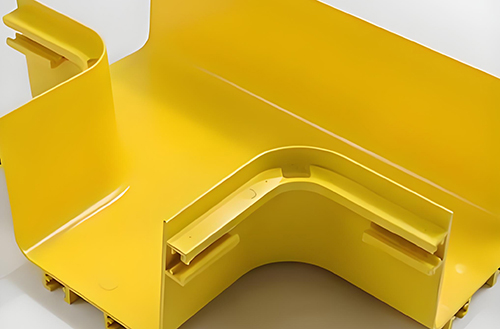
Powder coating
Durable colors, any RAL
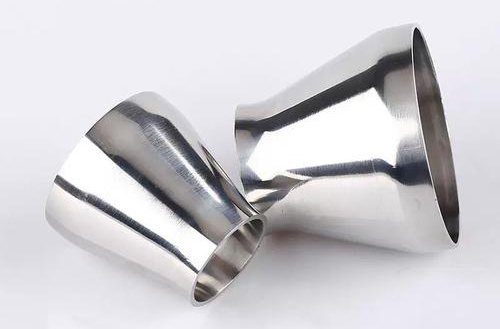
Mechanical polish
Satin to mirror finish
Laser marking
Logos, serial numbers, 2D codes
If you don’t specify, we deburr and ship as‑machined. For medical or food applications, passivation is usually required.
Design Tips for Stainless Steel Machining
Avoid sharp inside corners: Radii help tool life and surface finish.
Keep slot depth reasonable: Deep, narrow slots are tough on tools. Where possible, design with depth less than 3x tool diameter.
Consider thread type: Standard threads can be tapped; for blind holes or tough alloys, thread milling gives better control.
Plan for passivation: If the part needs it, note it on the drawing. We’ll adjust the process to ensure no contamination.
Typical Stainless Steel Parts We Make
304: Brackets, housings, food processing parts, structural components
316L: Marine hardware, chemical pump housings, medical instrument parts
17‑4PH: Aerospace fittings, high‑strength shafts, valve stems
303: Complex turned parts, precision fittings, screw machine components
440C: Bearings, wear plates, cutting tools
Why Engineers Pick Us for Stainless Work
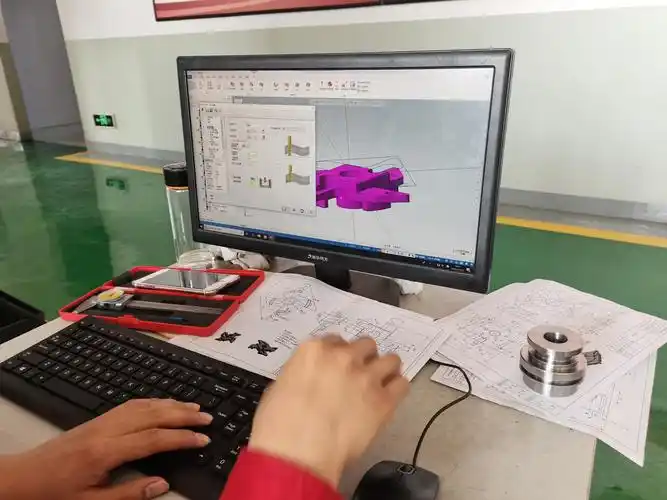
We don’t guess. We’ve run enough stainless to know what works. Sharp tools, proper feeds, and coolant strategy. No experimenting on your parts.
Free DFM feedback: We review your design and suggest ways to save cost or improve function.
Fast turnaround: Most brass parts ship in 7 business days; rush available.
Flexible quantities: From one prototype to 10,000+ pieces – no MOQ hassles.
Full inspection: Dimensional reports, material certs, photos – we document what we ship.
Stainless Steel Machining FAQs
Why is stainless more expensive to machine than other common metals?
It requires slower speeds, sharper tools, and more attention to heat and work hardening. Tool life is shorter, and cycle times are longer.
What’s the difference between 304 and 316L?
16L contains molybdenum, which gives it superior corrosion resistance in saltwater, chemical, and marine environments. 304 is suitable for most indoor and food‑grade applications.
Do I need passivation?
If the part will be used in medical, food, pharmaceutical, or outdoor environments, yes. Passivation removes surface iron and ensures the chromium oxide layer forms properly.
Can you machine 17‑4PH in the hardened condition?
We typically machine it in the annealed condition, then heat treat to H900. If you need it machined after hardening, we can do that—it just takes longer.
Do you provide material certifications?
Yes – we provide mill test reports (MTRs) from our suppliers. Just specify “MTR required” on your drawing or purchase order.
Do you provide material certifications?
Yes – we provide material test reports (MTRs) from our suppliers. Just specify “MTR required” on your drawing or purchase order.
What's the lead time for brass parts?
Standard is 7 business days from approval. Rush service (3‑4 days) is available for an additional fee.
Can you machine brass on Swiss lathes?
Yes – C360 brass is ideal for Swiss machining. We can produce small, complex parts with high precision.
Ready to Get Started?
Upload your CAD file. We’ll review it, provide DFM feedback, and send you a quote – usually within hours.