
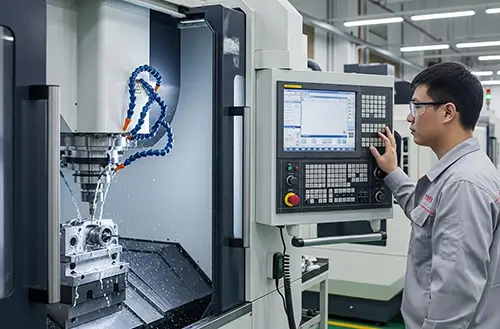
Aluminum CNC Machining Service
Aluminum is the workhorse of CNC machining. It’s lightweight, strong, corrosion-resistant, and machines beautifully. Whether you need a prototype bracket or 10,000 production parts, we’ve got you covered.
We machine all common aluminum alloys—6061, 7075, 2024, 5083—and offer a full range of secondary operations and surface finishes.
Why Aluminum for CNC Machined Parts?
Lightweight
1/3 the weight of steel – ideal for aerospace, automotive, and portable devices
Good strength-to-weight
6061‑T6: 310 MPa tensile; 7075: 570 MPa – strong enough for structural parts
Corrosion resistant
Natural oxide layer protects; anodizing makes it even better
Excellent machinability
Cuts fast, good surface finish, long tool life – keeps costs down
Thermally conductive
Great for heat sinks, LED housings, electronic enclosures
Recyclable
Environmentally friendly
Aluminum Machining – Tolerances & Capabilities
| Process | Typical Tolerance | Max Size |
|---|---|---|
| CNC Turning | ±0.01 mm | Ø300 x 500 mm |
| 3‑Axis Milling | ±0.01 mm | 800 x 500 x 500 mm |
| 5‑Axis Milling | ±0.01 mm | 735 x 650 x 560 mm |
| Swiss Turning | ±0.005 mm | Ø32 x 150 mm |
Surface finish as machined: Ra 3.2 µm (125 µin) – can be improved with finishing passes (Ra 0.8, 0.4 µm)
Minimum wall thickness: 0.8 mm (0.03″) – thinner possible with special fixturing
Threads: M2 to M100, internal/external, milled or tapped
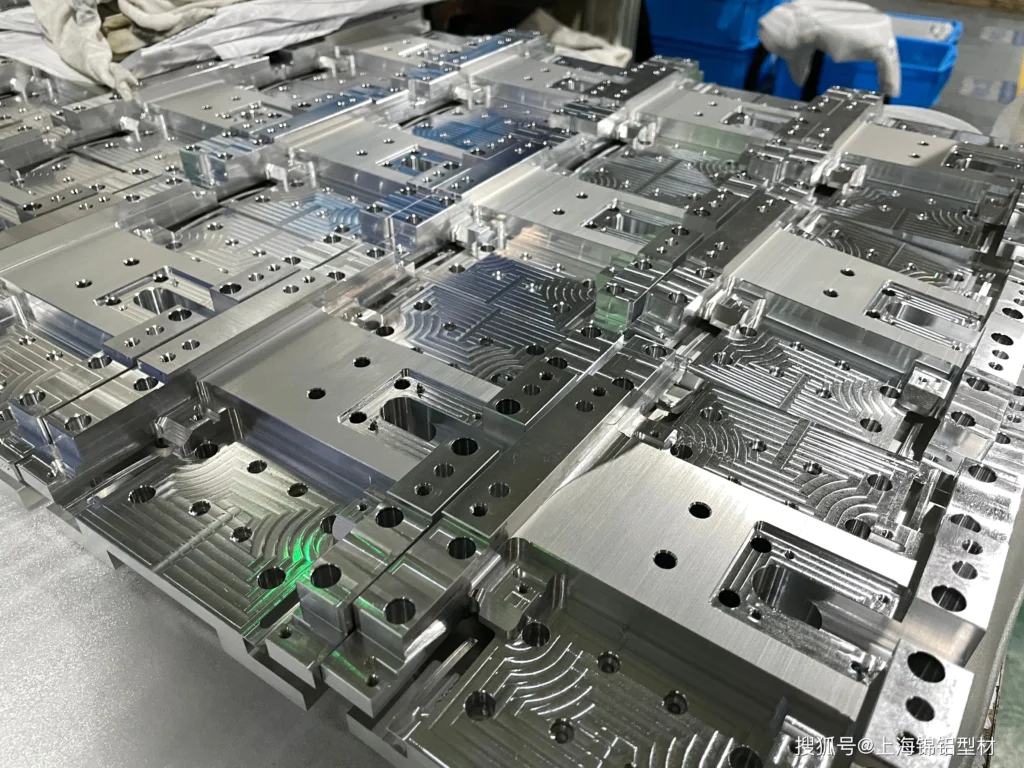
Common Aluminum Alloys We Machine
| Alloy | Key Properties | Applications |
|---|---|---|
| 6061‑T6 | General purpose, good strength, corrosion resistant | Brackets, enclosures, automotive parts, prototypes |
| 7075 | Very high strength (comparable to steel) | Aerospace structural parts, bicycle components |
| 2024 | High strength, good fatigue resistance | Aircraft fittings, military hardware |
| 6063 | Excellent anodizing characteristics, smooth finish | Decorative parts, architectural trim, consumer goods |
Not sure which alloy you need? Tell us your application, and we’ll recommend the right one.
Surface Finishing for Aluminum Parts
Aluminum takes finishes beautifully. We offer:
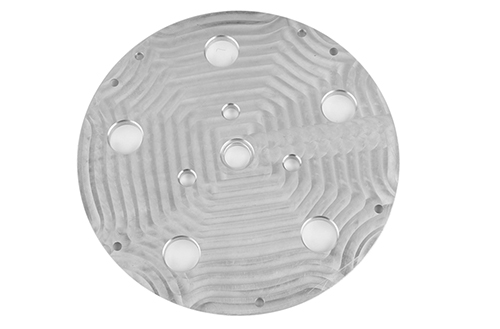
As machined
Clean, deburred, visible tool marks
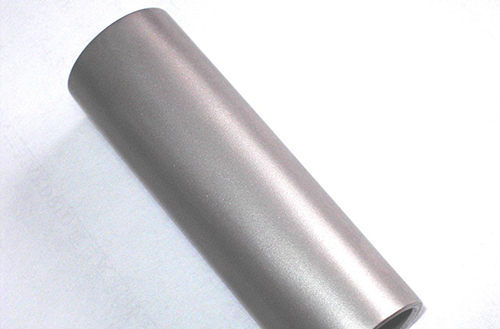
Bead blast
Uniform matte finish, hides minor marks
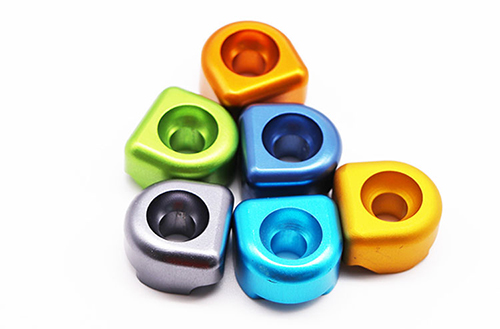
Anodizing (Type II)
Decorative colors (black, red, blue, clear); corrosion protection
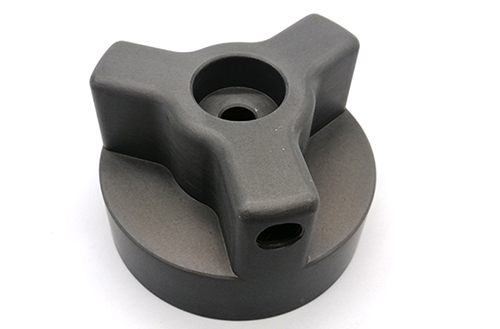
Hardcoat (Type III)
Thick, wear‑resistant coating for functional parts
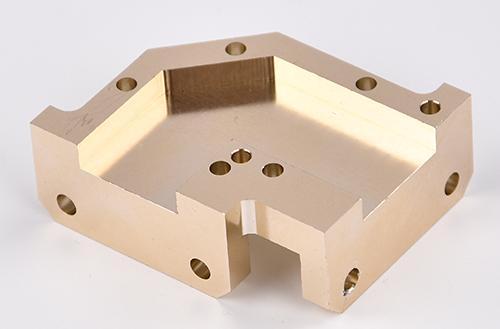
Chromate (Alodine)
Conductive coating for electrical applications
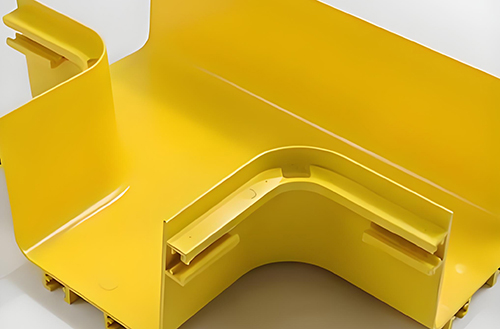
Powder coating
Durable colors, any RAL
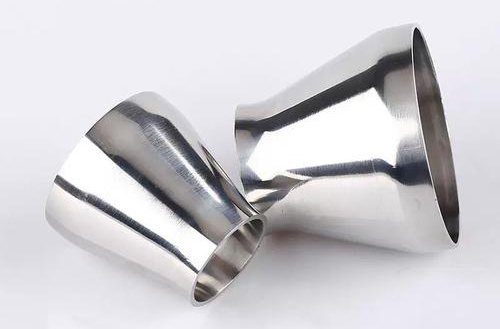
Mechanical polish
Satin to mirror finish
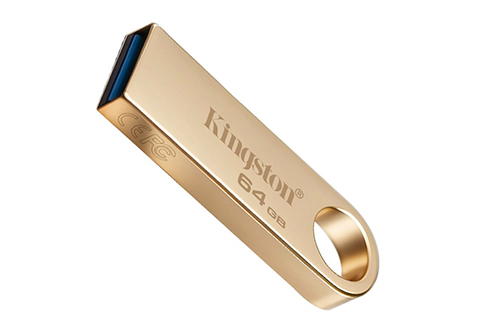
Laser marking
Logos, serial numbers, 2D codes
Design Tips for Aluminum CNC Machining
Keep wall thickness reasonable: 0.8 mm minimum for general machining; thinner needs vacuum fixtures or special strategies.
Avoid sharp internal corners: Use radiused corners to match tool diameter – saves machining time.
Consider anodizing early: If you need a colored finish, let us know before quoting so we can adjust dimensions.
Threads are cheaper when tapped: For standard threads, tapping is faster than thread milling. We’ll choose the best method.
Aluminum is soft: It can scratch during handling – we pack carefully, but if cosmetic perfection is critical, specify.
Typical Applications for CNC Machined Aluminum
Aerospace: Brackets, housings, prototype components
Automotive: Engine mounts, sensor enclosures, EV battery parts
Consumer electronics: Enclosures, heat sinks, faceplates
Robotics: Arms, joints, mounting plates
Industrial: Manifolds, valve bodies, machine guards
Medical: Instrument handles, fixture components (non‑implant)
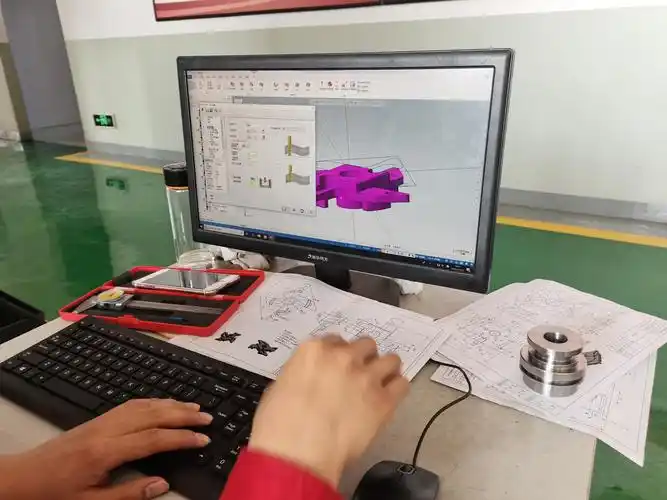
Why Choose Xinrico for Your Aluminum Parts?
Engineer‑led communication: You’ll talk to someone who knows feeds, speeds, and fixturing – not a sales script.
Free DFM feedback: We review your design and suggest ways to save cost or improve function.
Fast turnaround: Most aluminum parts ship in 7 business days; rush available.
Flexible quantities: From one prototype to 10,000+ pieces – no MOQ hassles.
Full inspection: Dimensional reports, material certs, photos – we document what we ship.
Aluminum CNC Machining FAQs
Is aluminum difficult to machine?
No – it’s one of the easiest materials to machine. Cuts fast, good finish, long tool life. That’s why it’s so cost‑effective.
What's the strongest aluminum alloy?
7075‑T6 is the strongest common alloy. 2024 is also strong but less corrosion resistant. For most applications, 6061‑T6 is plenty strong.
Q: Can you anodize aluminum parts?
Yes – we offer Type II (decorative) and Type III (hardcoat) anodizing in many colors.
How do I specify anodizing on my drawing?
Note “Anodize Type II, Black” or similar. If critical dimensions need to be masked (e.g., threads, bearing surfaces), note that too.
What's the lead time for aluminum parts?
Standard is 7 business days from approval. Rush service (3‑4 days) is available for an additional fee.
Do you provide material certifications?
Yes – we provide material test reports (MTRs) from our suppliers. Just specify “MTR required” on your drawing or purchase order.
Which aluminum alloy is best for decorative anodizing?
6063 is the preferred choice. It’s specifically designed for extrusion and has a finer grain structure, which results in a smoother, more uniform anodized finish with consistent color. 6061 anodizes well too, but may show slight streaking or color variation—especially in darker dyes. If cosmetic appearance is critical, specify 6063. For structural parts where appearance is secondary, 6061 is perfectly acceptable and more common in machined components.
Ready to Start Your Aluminum Project?
Upload your CAD file. We’ll review it, provide DFM feedback, and send you a quote – usually within hours.