If you are reading this, you probably have a project that needs to get machined—and you are trying to figure out which supplier to trust with it.
Maybe you have worked with local shops before, but the lead times were long and the costs were high. Or maybe you are considering working with a supplier overseas for the first time, and you are not sure how to separate the reliable ones from the rest.
I have been on the other side of that conversation for years. As a manufacturing engineer based in China, I have worked with clients across the US and Europe who had the same concerns: quality, communication, and trust.
This guide is meant to give you a practical framework for evaluating CNC machining suppliers—whether they are down the street or halfway around the world. No fluff, no sales pitch. Just what I have learned from years of making parts for demanding customers.
What Makes a Good CNC Machining Supplier?
When I ask clients what matters most to them, three things come up again and again:
- Quality: Parts that match the print, every time.
- Reliability: Deliveries that show up when promised.
- Communication: No surprises, no excuses.
These sound simple, but they are surprisingly hard to find. Here is how to evaluate a supplier against each one.
Evaluating Quality: More Than Just a Machine Shop
Anyone can buy a CNC machine. But running one well—consistently, day after day—is a different story.
Here are the things I recommend looking for when assessing a supplier’s quality capability:
Certifications
- ISO 9001:2015 is the baseline. It tells you the supplier has documented processes for quality management.
- AS9100 is the aerospace standard. If a supplier holds this, their quality systems are at the highest level.
- ITAR compliance matters if you are working on defense-related projects.
Inspection Equipment
A shop that takes quality seriously will have the tools to prove it. Look for:
- CMM (Coordinate Measuring Machine): For verifying complex geometries and tight tolerances.
- Optical comparators or vision systems: For small features and threads.
- Surface roughness testers: For finish-critical applications.
Documentation
A reliable supplier should be able to provide:
- Material certifications (mill test reports)
- First Article Inspection Reports (FAIR) per AS9102
- In-process inspection records
If a shop hesitates to provide documentation, that is a red flag.
Evaluating Reliability: Lead Times and Delivery
Lead times are often the reason engineers start looking overseas in the first place. A good supplier should give you clear, honest timelines.
What to Ask
- What is your typical lead time for prototypes? (A good answer: 1-3 weeks, depending on complexity.)
- What is your typical lead time for production runs? (This will vary by volume, but they should give you a range.)
- Do you offer expedited services? (For rush projects, some shops can prioritize your job.)
- How do you handle material sourcing? (Do they stock common materials, or do they need to order from a mill? This affects lead time.)
What to Watch For
- Vague answers. If a supplier cannot give you a specific lead time, they may not have good production planning.
- Overpromising. If they say they can deliver 500 parts in a week, ask how. Sometimes it is possible; often it is not.
Evaluating Communication: The Hidden Factor
This is the one that trips up more projects than any technical issue. Poor communication leads to misunderstood requirements, delayed approvals, and parts that do not match expectations.
What to Look For
- English proficiency. If your supplier is overseas, make sure they have English-speaking engineers or project managers. You should not have to translate technical terms.
- Response time. Do they reply within 24 hours? During your time zone? If they take days to respond to a quote request, imagine how they will handle an urgent issue mid-run.
- DFM feedback. A good supplier does not just accept your design—they review it and offer suggestions. If they send back questions about tolerances, material choices, or feature accessibility, that is a sign they are paying attention.
Why Work with a Supplier in China?
If you are reading this, you are probably already considering it. Here is what I tell clients who ask whether it makes sense.
Advantages
- Cost: Labor rates and overhead are lower than in the US or Europe. For medium to high volumes, the savings can be significant.
- Capacity: The manufacturing infrastructure in China is vast. A good supplier can scale up quickly when you need production volumes.
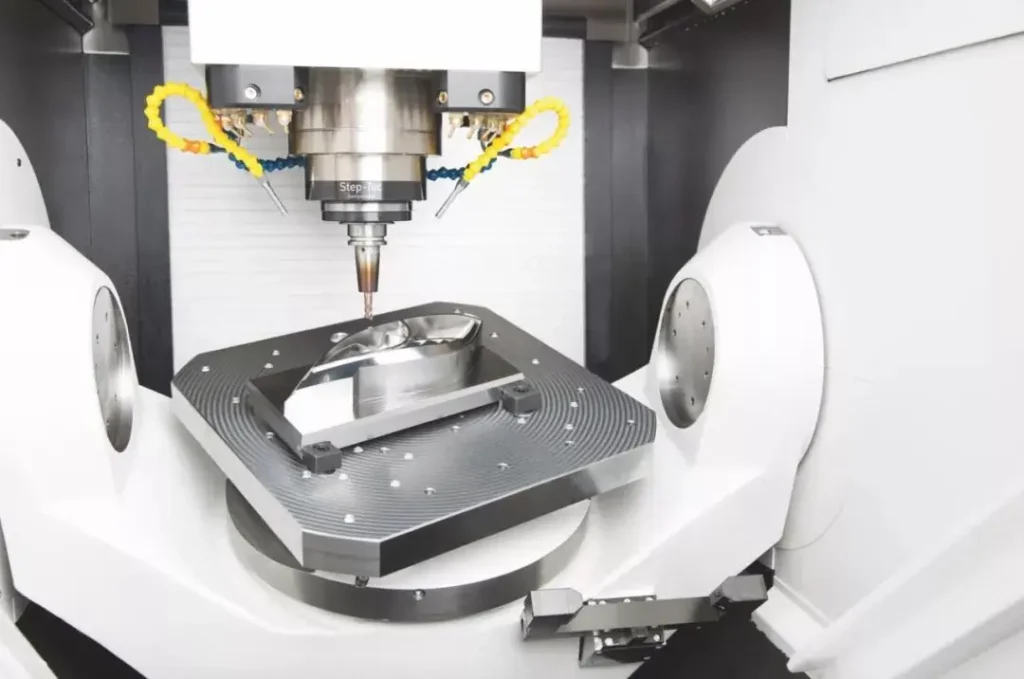
- Capability: Many shops in China invest heavily in modern equipment—5‑axis mills, Swiss lathes, CMM inspection—because they serve demanding global clients.
Challenges (and How to Manage Them)
- Distance: Time zones and shipping times add complexity. The key is choosing a supplier who communicates proactively.
- Quality consistency: Not all shops are equal. This is where vetting matters. Look for ISO certification, inspection equipment, and a track record with clients in your industry.
- Shipping: Lead times need to account for ocean freight (typically 3‑6 weeks) or air freight (3‑7 days). Factor this into your planning.
A Practical Checklist for Vetting Suppliers
When I am helping a client evaluate a new supplier, I run through this list:
| Criteria | What to Check |
|---|---|
| Certifications | ISO 9001? AS9100? ITAR? |
| Equipment | What machines? What inspection tools? |
| Experience | Have they worked in your industry? |
| Communication | Do they respond quickly? Do they ask good questions? |
| Lead Times | Are they realistic? Do they offer expedited options? |
| References | Can they provide examples of similar work? |
| Payment Terms | Are they standard (e.g., 50% deposit, 50% before shipment)? |
| Shipping | Do they handle export documentation? |
Red Flags to Watch For
Over the years, I have learned to recognize a few warning signs:
- No quality certifications. A shop that says “we focus on quality” but has no ISO certification may not have documented processes.
- No inspection equipment. If they cannot measure it, they cannot guarantee it.
- Vague pricing. A quote that does not break down material, machining, and finishing costs leaves room for surprises.
- Reluctance to share references. A good supplier will have happy clients who are willing to vouch for them.
- Unrealistic promises. “Any part, any material, any quantity, in 3 days” is usually too good to be true.
Final Thoughts
Choosing a CNC machining supplier is about finding a partner—someone who understands your requirements, communicates clearly, and delivers consistently. Whether you work with a local shop or a supplier overseas, the fundamentals are the same: quality, reliability, and communication.
If you are considering working with a supplier in China, take the time to vet them properly. Look for certifications, ask about their equipment, and test their communication before you place an order. A good supplier will appreciate your thoroughness.
At XINRICO, we have been machining precision parts for clients across the US and Europe for years. We are ISO 9001:2015 certified, equipped with modern 5‑axis and turning centers, and staffed with English‑speaking engineers who understand the demands of aerospace, medical, and industrial clients.
If you have a project in mind—or just want to talk through your requirements—I am happy to help.